
Starter Brush Failure
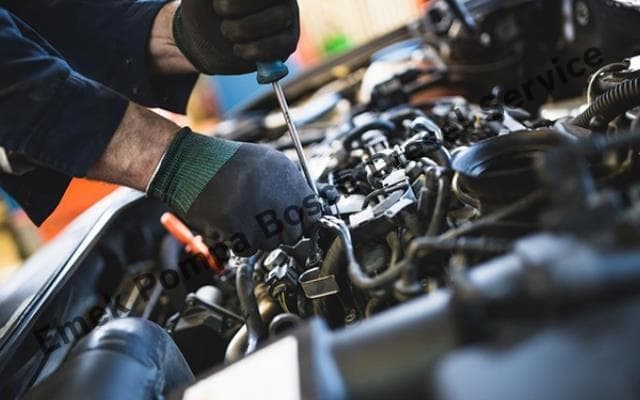
The starter brush is part of the starter motor, which helps start an engine for the first time. Electric starter motors need a high current when the key is turned, and this energy is transferred through the brushes. This part stays in contact with the commutator inside the starter motor and carries electrical current while rotating. In other words, the starter brush is one of the key parts that makes the engine turn.
Starter brushes wear out over time because of friction, heat, and electrical load. This wear can cause various problems known as starter brush failure. If the brushes cannot conduct properly, the vehicle will not crank or will start with difficulty. For this reason, this small part plays a critical role in keeping the vehicle running properly.
Signs of Starter Brush Failure
Starter brush failure usually shows itself through certain signs. Drivers can notice these symptoms and take action or get repairs done in time. The following signs may indicate a problem with the starter brushes:
- The vehicle does not crank or starts with difficulty: This is the most common symptom. If the vehicle does not respond when the key is turned, the starter brush may be worn out or losing contact.
- A clicking sound but no engine rotation: If electrical current does not pass through the brushes enough, only a click may be heard and the engine will not turn.
- Intermittent starting problems: If the vehicle sometimes starts and sometimes does nothing at all, the starter brush problem may be getting worse.
- Problems in cold weather: Faulty starter brushes can be especially troublesome in cold weather. Low temperatures make the contact surfaces work harder.
- Headlights or dashboard lights going out when the key is turned: This also means a lot of energy is being drawn but the engine is not turning, which suggests a possible brush failure.
These symptoms can worsen over time and may eventually cause the vehicle to stop working completely. For this reason, starter brush failure should not be taken lightly.
How to Prevent Starter Brush Failure
Like any mechanical part, starter brushes have a limited lifespan. But proper maintenance and good driving habits can extend that lifespan. To avoid starter brush failure, pay attention to the following:
- Get regular maintenance done: The starting system should also be checked during periodic engine inspections. Electrical connections, brush condition, and starter motor health should be examined.
- Reduce excessive short-trip use: Frequent short-distance use causes many starts and wears the brushes out faster. Frequent stop-and-go driving before the engine is fully warm also strains the system.
- Avoid forcing the starter: If the vehicle does not start after turning the key, repeatedly cranking for a long time can damage the brushes. Instead, diagnose the problem and check the battery or another component.
- Be careful in cold weather: Battery performance drops in cold weather and the starter brushes are under more stress. In those periods, letting the system energize briefly before starting the vehicle is a good practice.
These precautions reduce the risk of starter brush failure and help the vehicle run smoothly for longer.
What to Do If You Suspect a Failure
If you suspect starter brush failure, do not ignore it. Taking action on time can keep you from being stranded. Here are some practical steps:
- Have the starter motor checked by an expert service center. Intervening without electrical expertise can lead to bigger failures.
- Replace the starter brushes as a full set if possible. Replacing only one brush may help in the short term, but the others may be worn at the same rate. Replacing them as a set is safer and lasts longer.
- Do not neglect the battery and charging system. Starter brush failure can sometimes be confused with battery problems. For this reason, not only the brushes but also battery voltage and the alternator should be checked.
- Pay attention to replacement part quality. Cheap and poor-quality brushes can cause the same fault again quickly. Original or high-quality equivalent parts should be preferred.
- Take precautions against getting stranded. If your vehicle's starting system is faulty, it is useful to keep a tow truck or roadside assistance number nearby.
Starter brush failure can lead to larger electrical problems over time. For this reason, action should be taken as soon as the symptoms appear, and the issue should be fixed without delay. Checking the starting system before long trips is one of the best steps for safe driving.